
"African coffee yield"
1000 article(s) found
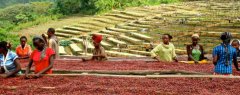
Ethiopian cooperatives introduce African boutique coffee beans
Production area of Sigiga Cooperative (1600-2500 m): Gedeo-Kochere Cochel members: 1862 people Land attribute: red Brown soil Certificate: Fair Trade Fair Trade, UTZ Sustainable cultivation, Organic Organic Coffee Finchewan Cooperative (1450-2000 m) production area: Gedeo-Wenago Vina members: 1271 people Land attribute: reddish Brown

14-3 African producers introduced by the world coffee producers
African producing countries 1. Ethiopia Ethiopia Ethiopian coffee is neither strong nor irritating. It is produced in Harald (Harrar), Yega Xuefei (Yirgacheffe), Sidamo (Sidamo), Limu (Limu), Djimmah (Djimmah), Lekempti (Kepa), Kapa and other places. Among them, Harald coffee is the substitute of Ethiopian coffee.
World Fine Coffee Producers African Producers
Ethiopia Ethiopian coffee aroma is neither strong nor irritating. It produces in Harrar, Yirgacheffe, Sidamo, Limu, Djimmah, Lekempti and Kapa. Harar coffee is the successor to Ethiopian coffee.

World coffee producing countries introduce African producing countries
African producing countries 1. Ethiopia Ethiopia Ethiopian coffee is neither strong nor irritating. It is produced in Harald (Harrar), Yega Xuefei (Yirgacheffe), Sidamo (Sidamo), Limu (Limu), Djimmah (Djimmah), Lekempti (Kepa), Kapa and other places. Among them, Harald coffee is the substitute of Ethiopian coffee.
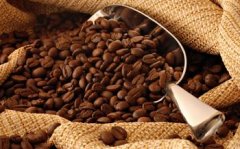
African producers introduced by coffee producers in the world
African producing countries 1. Ethiopia Ethiopia Ethiopian coffee is neither strong nor irritating. It is produced in Harald (Harrar), Yega Xuefei (Yirgacheffe), Sidamo (Sidamo), Limu (Limu), Djimmah (Djimmah), Lekempti (Kepa), Kapa and other places. Among them, Harald coffee is the substitute of Ethiopian coffee.

African producers introduced by coffee producers in the world
African producing countries

Name and introduction of Ethiopian Coffee Cooperative Organic Coffee African Fine Coffee Flavor
Production area of Sigiga Cooperative (1600-2500 m): Gedeo-Kochere Cochel members: 1862 people Land attribute: red Brown soil Certificate: Fair Trade Fair Trade, UTZ Sustainable cultivation, Organic Organic Coffee Finchewan Cooperative (1450-2000 m) production area: Gedeo-Wenago Vina members: 1271 people Land attribute: reddish Brown
African producing countries
1. Ethiopian Ethiopia Ethiopian coffee is neither strong nor irritating. It is produced in Harald (Harrar), Yega Xuefei (Yirgacheffe), Sidamo (Sidamo), Limu (Limu), Djimmah (Djimmah), Lekempti (Kepa), Kapa and other places. Among them, Harald Coffee is the representative of Ethiopian Coffee.

Kenya Coffee Flavor and Taste introduction to the varieties of African and Kenyan coffee beans
In less than a century, Kenya has become home to no less than four new varieties. First, the Scott Lab (ScottLaboratories) identified the famous SL-28 and SL-34 of the 1930s. They combine amazing flavor and drought resistance.

Ethiopian Coffee Cooperative Name and Introduction African Fine Coffee Aduoduo High Quality Cooperative
Fine coffee is fresh coffee. Whether it's food or drink, the fresher the better, and so is specialty coffee. Coffee beans should be kept fresh before making fine coffee, including the preservation of roasted beans, and the coffee beans should be ground before making, which is also to retain its most original and best flavor. And hand brewed coffee making is such a way to make fine coffee
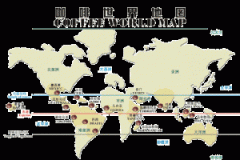
African coffee Angora coffee beans
Angolan coffee Angola Angola has been growing coffee for more than 100 years, and its output has been the first in Africa until 1960, reaching 225000 tons in 1979, ranking second in Africa and fourth in the world. The output in 1992 was 5000 tons. Sisal production is second only to coffee, and the level of per unit yield is higher. In 1986, the output reached 20,000 tons, sisal ranked second in Africa both in terms of output and export volume.

Kenya Nyeri producing area Jia Tuji Gatugi processing plant African coffee flavor
According to SL Laboratory botanists, SL28 and SL34 are genetic variants. Among them, SL28 has a mixed lineage of French missionaries, mocha and Yemeni tibica. SL28 was bred to produce high quality, pest resistant coffee beans in large quantities. Although SL28 did not yield as much as expected, copper leaf color and broad bean-like beans were very good.
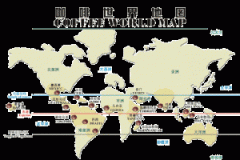
African specialty coffee Angola boutique coffee beans
Angolan coffee Angola Angola has been growing coffee for more than 100 years, and its output has been the first in Africa until 1960, reaching 225000 tons in 1979, ranking second in Africa and fourth in the world. The output in 1992 was 5000 tons. Sisal production is second only to coffee, and the level of per unit yield is higher. In 1986, the output reached 20,000 tons, sisal ranked second in Africa both in terms of output and export volume.
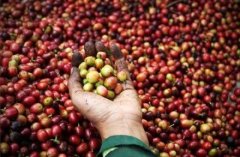
Introduction to the producing area of fine coffee beans in African producing countries
1. Ethiopian Ethiopia Ethiopian coffee is neither strong nor irritating. It is produced in Harald (Harrar), Yega Xuefei (Yirgacheffe), Sidamo (Sidamo), Limu (Limu), Djimmah (Djimmah), Lekempti (Kepa), Kapa and other places. Among them, Harald Coffee is the representative of Ethiopian Coffee.

African coffee beans, ancient Ethiopian coffee, three cultivation of Ethiopian coffee.
Professional coffee knowledge exchange more coffee bean information please follow coffee workshop (Wechat official account cafe_style) Qianjie Coffee today introduces Ethiopian coffee, Ethiopia has the world's most diverse coffee ecosystem (forest coffee, semi-forest coffee, pastoral coffee and plantation coffee), which allows its rich Arabica genes to be preserved, plus sun exposure,

What are the common features of African coffee beans? the unique delicacy of Kenyan coffee beans.
Professional coffee knowledge exchange more coffee bean information please follow the coffee workshop (Wechat official account cafe_style) front street-African Coffee, Kenya Coffee introduction as the birthplace of coffee, Africa is a land full of game beans, the African continent is well-deserved to produce some of the world's top coffee. African beans have a unique aroma, wild taste, mostly with a touch of sour red wine, such as

Description of Flavor of African Coffee Bean Variety treatment method in Taste producing area
Description of flavor of African coffee bean varieties in taste producing areas introduction to Catuai: a hybrid of Kaddura and Mondonovu, the reason for hybridization is that the Mondonova tree is too high, so it crosses with Kaddura of tree height. Kaduai has high yield and strong adaptability to the environment. But the harvest life is short, the taste is monotonous and lacks the thickness of alcohol. Amareo (Amarello):

Introduction of Coffee Flavor-- an introduction to the Flavor characteristics of Asian, African and American products
There are more than 6000 species of coffee trees, most of which are tropical trees and shrubs. There are four main coffee trees in the world, of which only two are of real commercial value and are planted in large quantities, and the quality of the coffee beans produced by other coffee trees is also higher than that of other coffee trees. The first is Arabica beans, the world-famous Blue Mountain Coffee, Mocha Coffee and so on.

How did the Sultan of Lumi, an ancient coffee variety that is little known, come into the public eye?
Rume Sudan was discovered in the Rume Valley Valley of the Boma Plateau Plateau near the Ethiopian border in southeastern South Sudan in 1940. Codenamed RS-510, known to the coffee industry, it is basically a wild coffee variety, native to tropical African forests in the Marsabit Mountains, with brass leaves.

Lim-Yunzhu Coffee from African Coffee region introduces the three Coffee Coffee in the World
The three largest coffee in the world is a small coffee cooperative in a small town in Dala, Sidamo Province. the average planting area of each small coffee farmer here is about 0.60 hectares, which is composed of hundreds of coffee farmers. it is planted nearly 2000 meters above sea level, the climate has a large temperature difference, and the soil is fertile, providing an excellent growing environment.